Oregon's 2026 Vintage: Bright, Fresh, and a Little Bittersweet
The Oregon Wine Board's 2026 Vintage Report is out. The wines sound fan-freakin-tastic. The year itself was a lot more complicated for the folks growing the grapes.
A.J. Weinzettel
3 min read
The Oregon Wine Board just released its 2026 Vintage Report, and there's a lot to be excited about (and a little to worry about). Let's dive in, shall we?
The short version
Early assessments of 2026 are very positive. Growers and winemakers are describing wines with bright acidity, good ripeness, and strong potential. Fresh is the word that keeps coming up!
But it wasn't an easy year everywhere. The season was uneven from region to region, and a lot of growers dealt with reduced demand and fruit nobody bought. The report pulls from 92 grower questionnaires and 16 regional interviews, so this is a real picture from the people out in the rows.
How the season played out
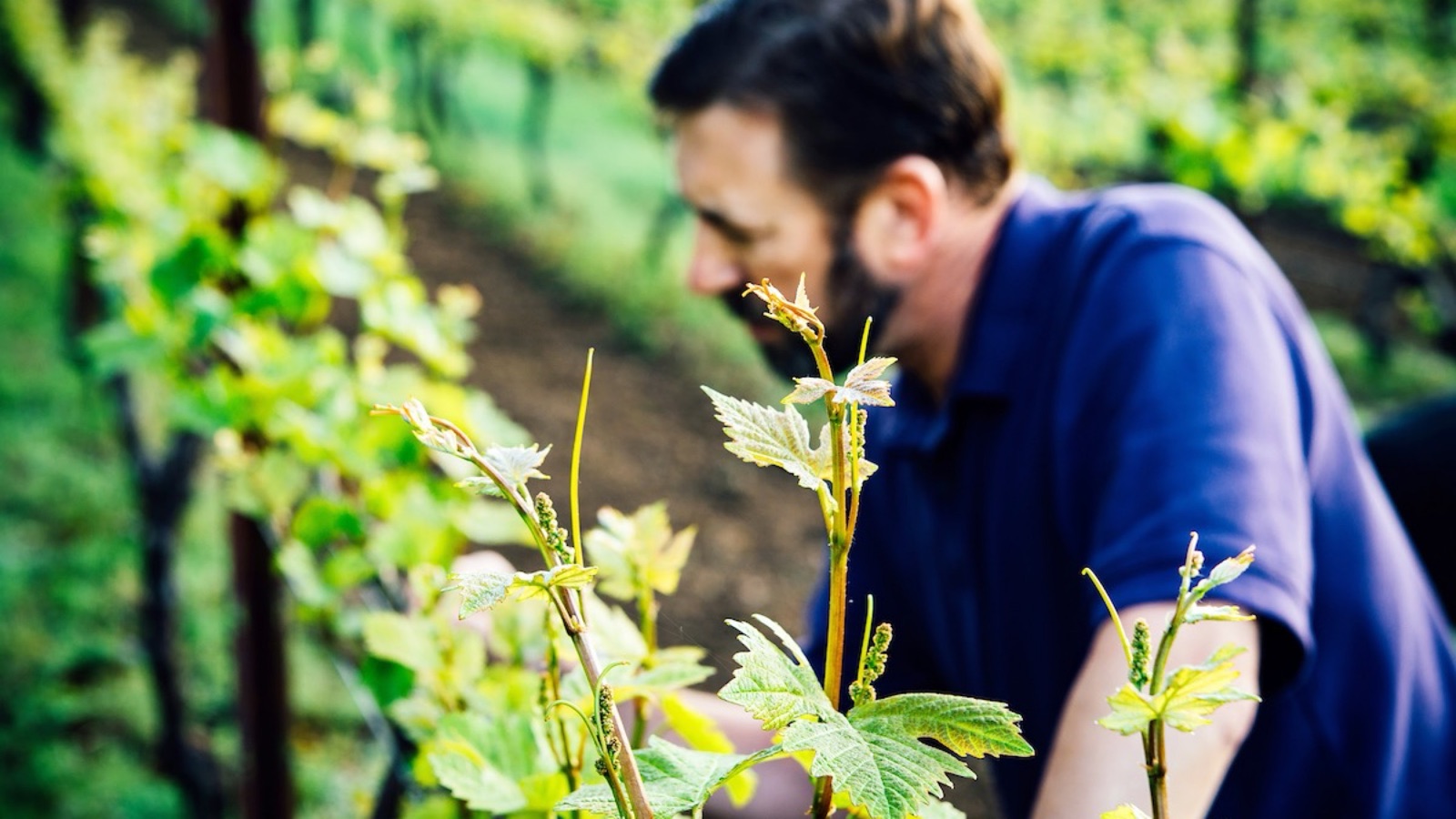
Winter was warm, which kicked off early budbreak across much of the state. Some growers saw their earliest budbreak in years. Jessica Dunnam of Results Partners said it was her earliest in a decade.
Spring threw a few punches. Frost hit the Rogue, Umpqua, and Snake River valleys, and rain during bloom affected fruit set in parts of the Willamette Valley and the Columbia Gorge.
Summer stayed moderate in a lot of places, which slowed ripening down, and it was dry. In the Umpqua, rainfall ran 20 to 40% below average.
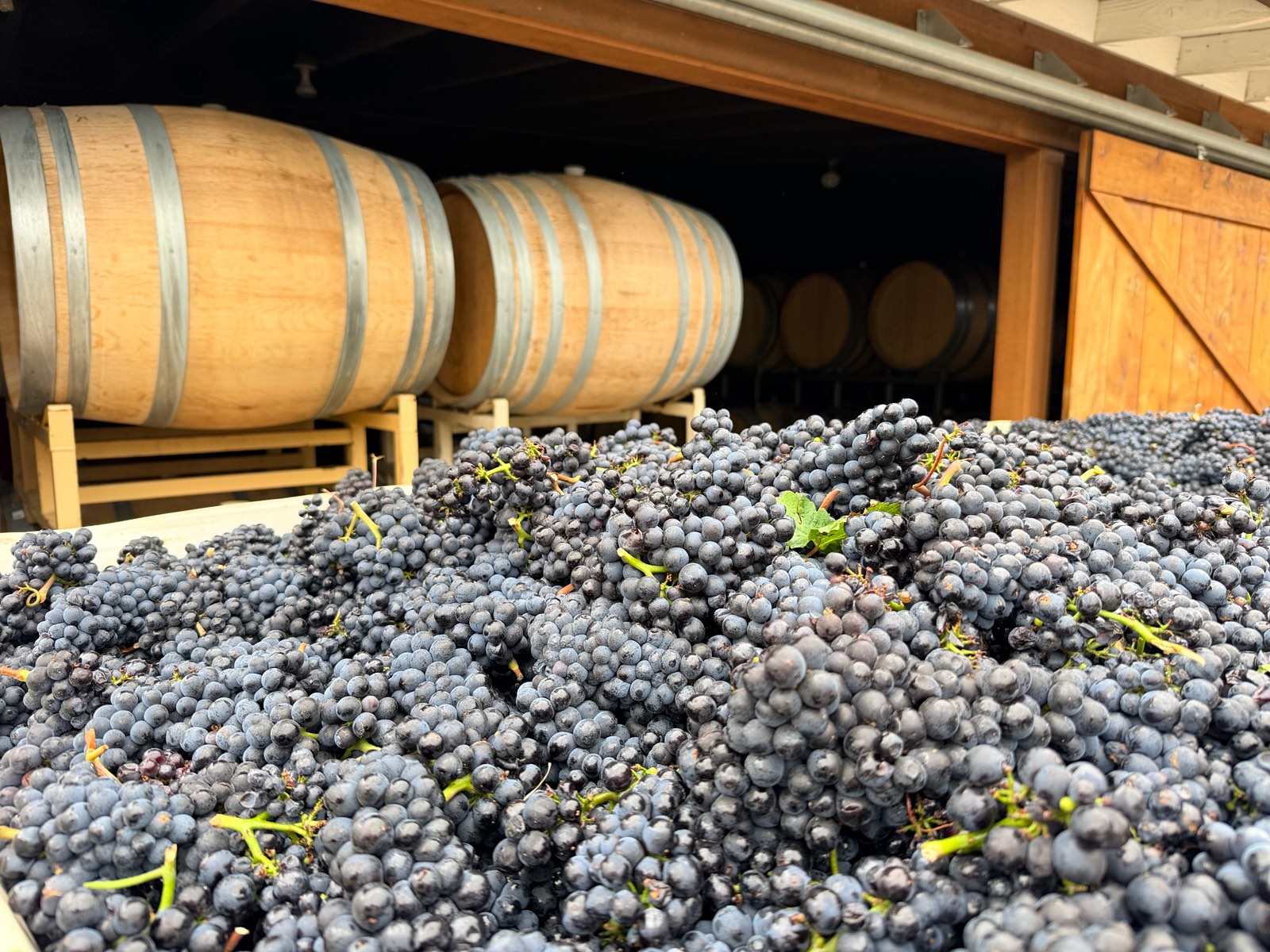
Harvest started early in many areas, but timing bounced around by vineyard and variety. Robert Brittan of Brittan Vineyards summed it up perfectly: "It was a warm year that acted like a cool year for harvest."
I love that line on so many levels. An early start, then cool, calm weather that let folks pick when the fruit was ready instead of racing the rain.
A quick tour around the state
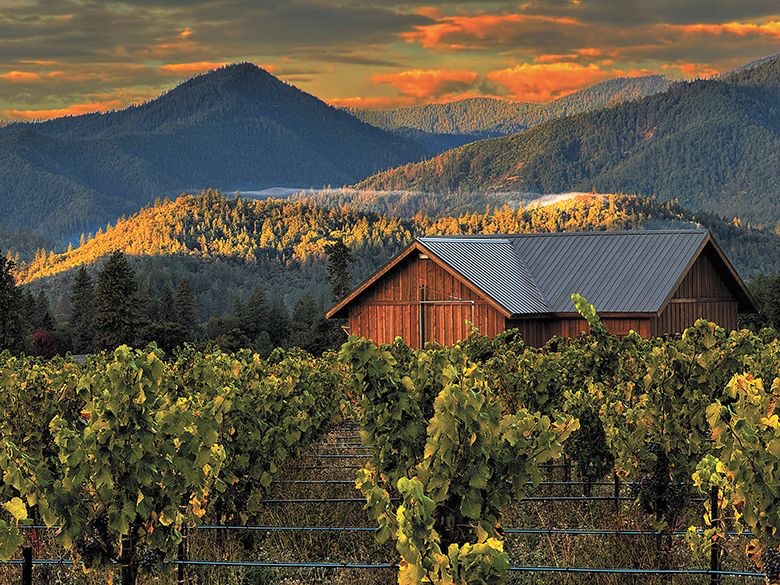
- Willamette Valley: Budbreak came up to two weeks early, and it was the 2nd driest vintage in 36 years of records. The growing season ran about 1.1°F warmer than average. Yields were below average, and the defining traits are freshness, acidity, and ripeness.
- Rogue Valley: One of the earliest and most concentrated harvests the region has seen in recent years. Growers finished up before the hard October frosts. Yields were below average, and some grapes went unsold.
- Umpqua Valley: Harvest started up to 2.5 weeks early. Spring frost cut some blocks to about half their usual crop. On the bright side, Dr. Greg Jones of Abacela said the weather never forced them to bring fruit in faster than they wanted.
- Columbia Gorge: Rain during flowering affected cluster size, harvest timing landed close to 2025, and yields were slightly lower at some sites.
- Walla Walla Valley (Oregon side and The Rocks District): Budbreak arrived about a month early! Most fruit came in during the last two weeks of September, and winemakers reported good structure as the wines went into barrel.
- Central Oregon: A favorable season with warm summer weather, consistent ripening across reds and whites, and bigger crops than 2025. Irrigation delays and declining groundwater were the worries.
- Snake River Valley: Frost and hail reduced yields in parts of the region. Harvest started in early October and moved fast, with nicely balanced sugar and pH.
What the winemakers are saying
This is the part that put a big ole smile on my face. Brooke Robertson at Delmas Wines called the quality glorious. Leo Gabica at Sweet Cheeks Winery said it was almost a perfect harvest. Jason Cole at Pacific Crest Vineyard Services said that for quality, they couldn't have asked for a better season. Rachael Martin at Red Lily Vineyards got great ripeness with really nice acidity, and Bruno Corneaux at NW Wine Company described the wines as fresh, bright, and true to Oregon's cool climate.
When that many people across that many regions are saying the same thing, I pay attention. I kid you not, I'm already daydreaming about these Pinots and Chardonnays.
The bittersweet part
Here's where my heart sinks a little. Yields were all over the map, and the market made things harder. Some growers cut their crops on purpose to match demand. Others had no buyers at all and left grapes unpicked or unsold, which the report says created real economic strain.
That's tough to read. These are the folks working their patootski off in the vineyard all year, and a great vintage doesn't pay the bills if the fruit has nowhere to go.
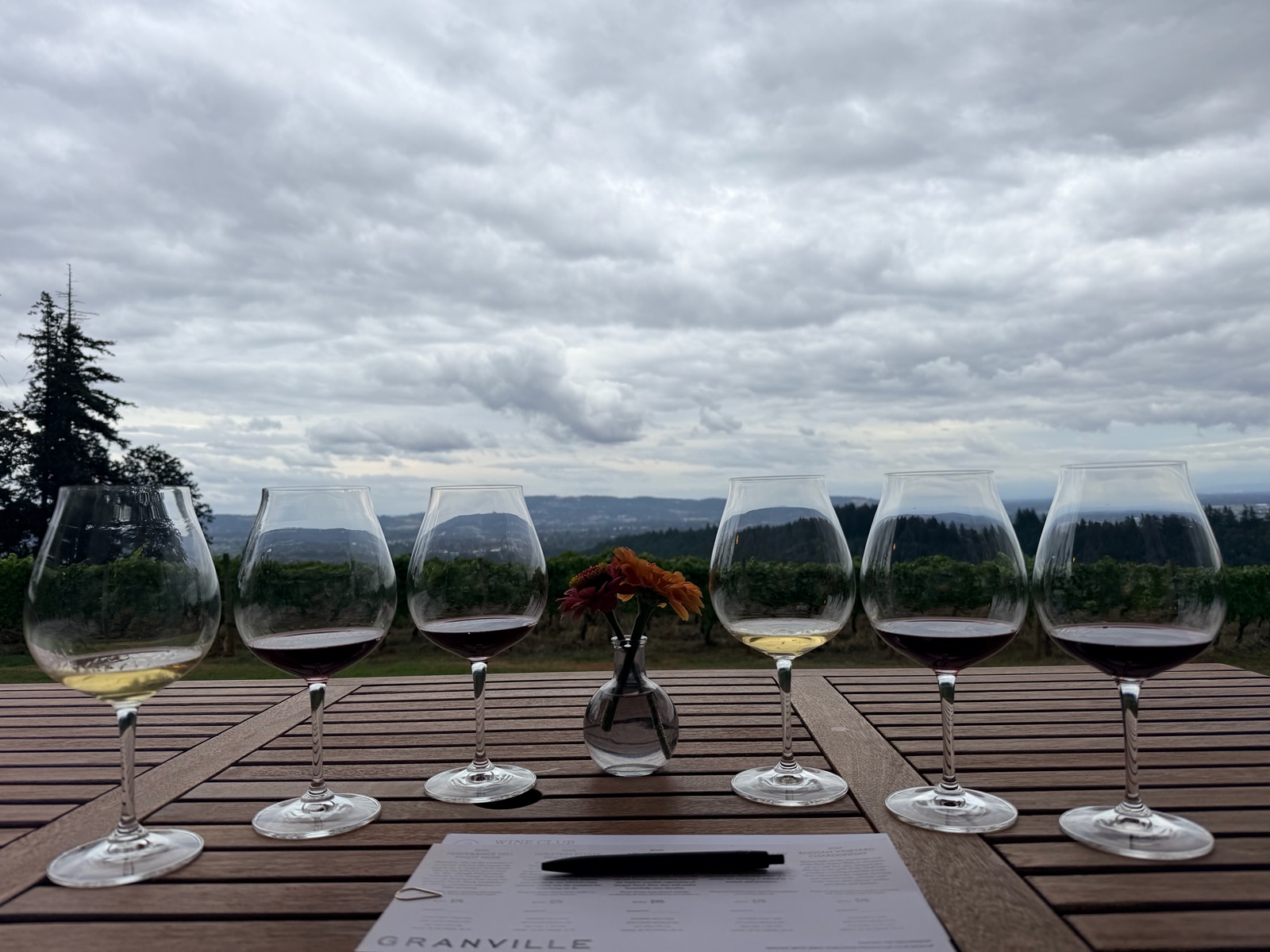
So here's my gentle ask. Buy Oregon wine. Visit a tasting room this winter. Join that wine club you keep saying you'll join. When demand is soft, every visit and every club member matters more than ever.