How Troon Vineyard Creates a More Thoughtful Guest Experience
At Troon Vineyard in Oregon's Applegate Valley, hospitality grows from the same roots as the farm. Here's how they make every guest feel welcome.
A.J. Weinzettel
4 min read
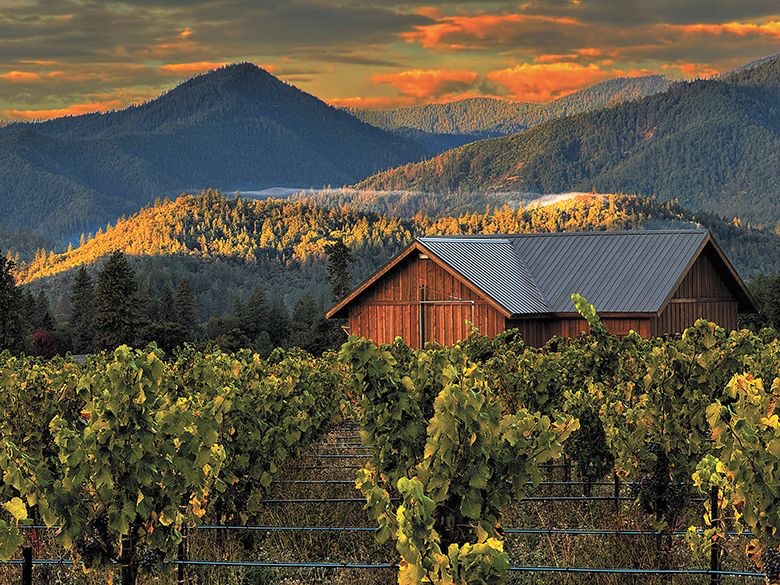
In the Southern Oregon Applegate Valley, Troon Vineyard is cultivating more than just wine. With a commitment to regenerative farming, intentional hospitality, and a deep connection to the land, the winery creates experiences that feel as natural as the place itself. Block 55 helps make that experience even easier to deliver to guests.
In the Applegate Valley, the landscape invites you to slow down, take in your surroundings, and appreciate the place you're in. At Troon Vineyard, that feeling is incredibly intentional.
Troon is the world’s only winery and farm to hold both Demeter Biodynamic® and Regenerative Organic Certified® Gold certifications. The farm is proof of a living ecosystem, home to grapevines, cider apples, vegetable gardens, hay fields, honeybees, sheep, chickens, wildlife, dogs, and the people who care for it all.
The philosophy behind it all is simple. At Troon, they work to heal the planet while simultaneously crafting wines that express the character of the land. This commitment to the land extends well beyond the vineyard. It shapes the entire guest experience, from the moment someone arrives to the way they are welcomed, accommodated, and cared for throughout their visit.
Delivering that kind of hospitality takes more than a beautiful setting. It requires thoughtful planning, clear communication, and systems that support the people behind the experience.
The Land’s Story
Troon’s approach to hospitality begins with its surroundings. The Applegate Valley offers a peaceful, unhurried environment, and the winery provides guests with that same feeling. The goal isn't simply to pour a glass of wine, but rather to create a space where people feel comfortable, welcome, and connected.
That philosophy is closely tied to how Troon approaches its work. Farming, winemaking, packaging, and hospitality are all part of a larger, interconnected picture. Each decision reflects the same intention, to create something thoughtful, authentic, and rooted in the land.
The experience should also feel cohesive. Guests shouldn't have to work hard to enjoy their time at the winery. They should feel cared for, with the things they need readily available and the flexibility to make the experience their own. As Meg Ordaz, Director of Consumer Sales at Troon said, they want to be the kind of place where, when a guest asks for something, the answer is as often as possible, “Yes.”
That might mean helping a guest arrange food when a kitchen isn't available or finding a simple solution to make a visit more comfortable. It's an approach that prioritizes listening, accommodating, and making people feel that their needs matter.
Hospitality in the Details
For Troon, hospitality is more than an act of service. It's the feeling you give someone through the way you welcome them, listen to them, and respond to what they need. That understanding influences the design of their physical spaces just as much as the interactions themselves.
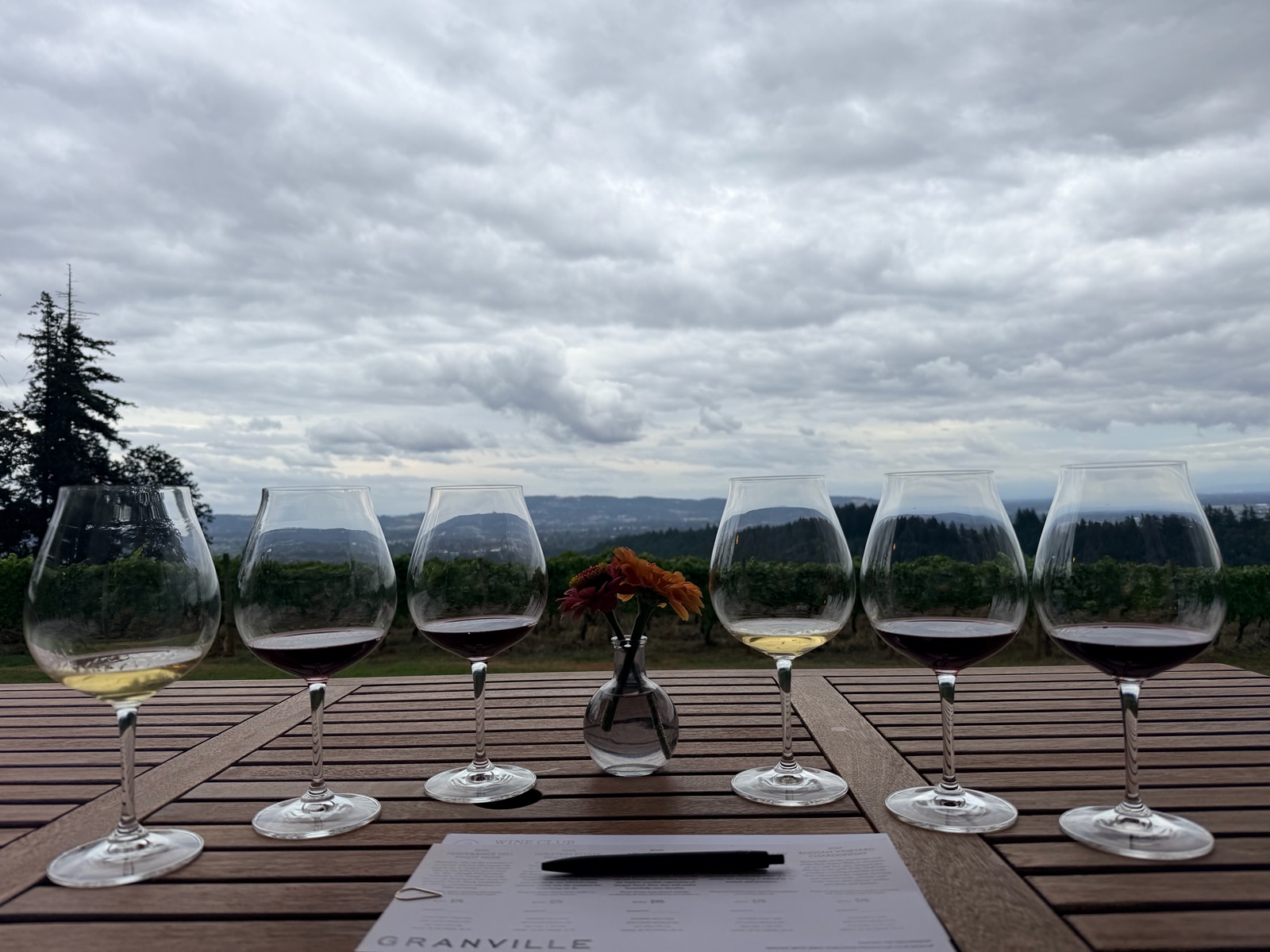
At Troon's McMinnville tasting room, the team considers how seating arrangements, accessibility, and the flow of the space affect a guest's experience. In the Applegate Valley, where the tasting experience is exclusively outdoors from April through mid October, the team finds creative ways to help guests feel comfortable in an ever changing environment. Additional patio space, thoughtful accommodations, and practical touches all contribute to making the visit more enjoyable.
The team also recognizes that different guests have different needs. Families may appreciate room for children to move around. Dog owners might welcome a dog-friendly environment and a treat for their four legged companion. Clear communication helps guests understand what to expect before they arrive, allowing them to plan a visit that works for them.
Individually, these details may seem small, but together they communicate something incredibly important. It shows guests “we thought about you before you got here.” Now that's the kind of hospitality Troon strives to deliver. It's intentional without feeling forced, accommodating without losing authenticity, and grounded in the belief that everyone deserves to feel welcome.
Technology Support Systems
Creating a thoughtful guest experience requires attention to the details of the visit. With that said, managing those details behind the scenes can become complicated, particularly for a winery operating across multiple locations.
Before working with Block 55, Troon used Tock to manage their reservation systems. With two tasting-room locations, the Tock setup required separate reservation configurations for each location. Needless to say, this added complexity for Troon’s small to mid-size winery.
As Meg noted, Tock is better suited for restaurant operations instead of running a winery. Building and adjusting the reservation experience was cumbersome, and the team found it difficult to get the support it needed from a larger company. For a winery that values personal relationships, that disconnect mattered.
When a question came up or a problem needed solving, Troon wanted to feel heard. The team wasn't just looking for software that could process reservations, they wanted a partner who understood its business, listened to its concerns, and helped find practical solutions. That distinction is especially important in hospitality.
Built Specifically for Wineries
Troon found a better fit with A.J. and Block 55.
One of the biggest differences is that Block 55 is designed specifically for wineries, rather than adapted from a system built for another industry. That means the team can swiftly manage reservations and events in a way that better reflects how their tasting rooms operate.
Block 55 provides a more personal approach to technology, and one that aligns with Troon's own philosophy of hospitality. When technology works behind the scenes, hospitality can take center stage.